
Design-Build Studio Since 2008
London • New York • Dubai
+1 (800) 123-4567
Request Estimate

Posts by admin

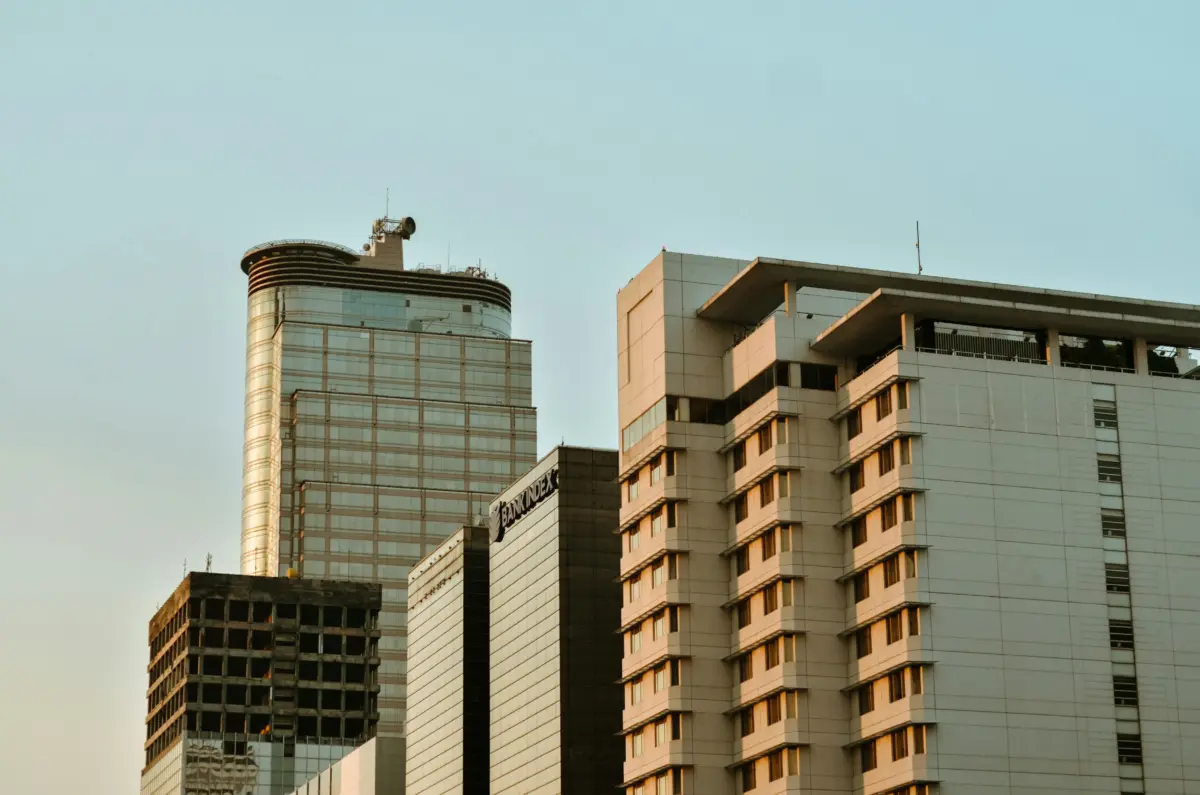
How Eco-Friendly Materials Are Reshaping City Landscapes

As urbanization accelerates globally, the intersection of green technology and architectural design becomes paramount. We explore how new materials and passive design principles are reshaping our city skylines for a carbon-neutral future.

Redefining Vertical Living

The traditional skyscraper has long been a symbol of corporate dominance and density, often at the expense of environmental harmony. However, 2024 marks a pivotal shift. Architects are no longer just designing tall buildings; they are designing vertical ecosystems. From that filter pollutants to integrated wind turbines harvesting high-altitude currents,the next generation of towers will be net producers of energy rather than mere consumers.

One of the key innovations driving this change is the adoption of mass timber construction. Cross-laminated timber (CLT) offers a strength-to-weight ratio comparable to concrete but with a significantly lower carbon footprint.

"Sustainable architecture isn't just about using recycled materials; it's about designing buildings that breathe, adapt, and give back to their environment."

Smart Materials and Energy Efficiency

Beyond structure, the skin of our buildings is becoming smarter. Photovoltaic glass is finally reaching efficiency levels that make it viable for widespread commercial use. Imagine an entire office block where every window generates electricity. Coupled with AI-driven HVAC systems that learn occupant patterns, we are looking at a reduction in energy consumption by up to 40% in new builds.

Self-healing concrete: Using bacteria to repair cracks autonomously, extending building lifespan.

Kinetic facades: Building skins that move with the sun to optimize shading and natural light.

Greywater recycling: Standardized on-site water treatment systems for non-potable use.

As we move forward, the challenge will not be technological but regulatory. Updating building codes to accommodate these rapid advancements is crucial for widespread adoption.

Read more

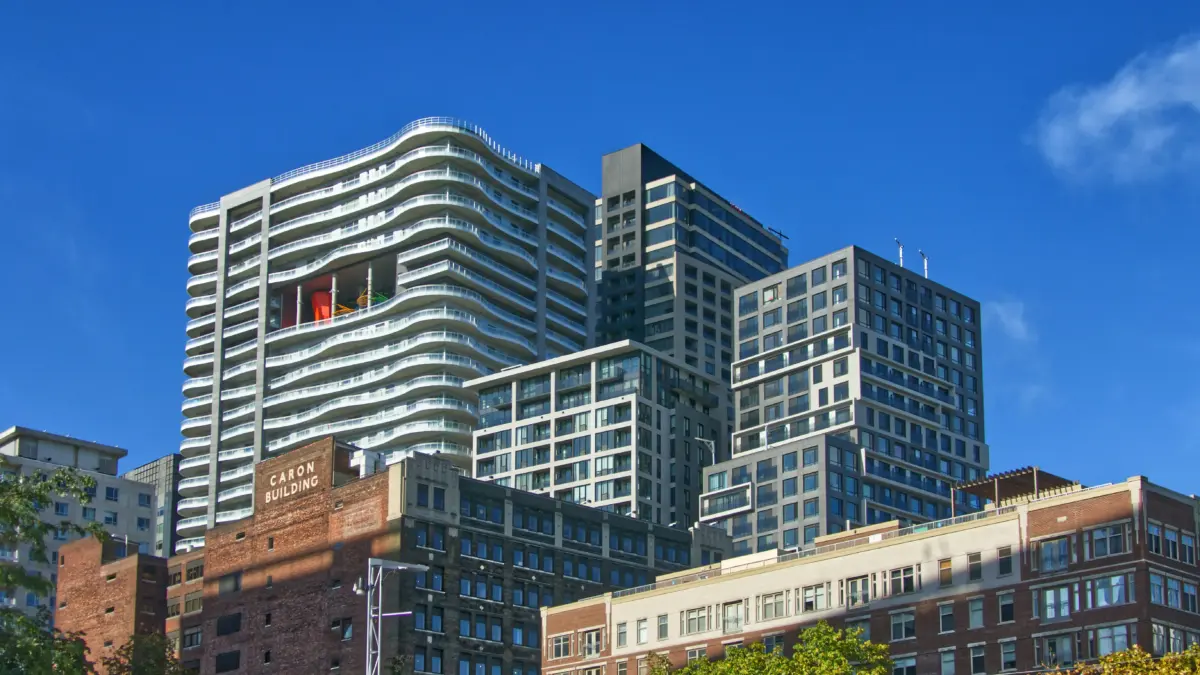
Embracing Industrial Aesthetics in Residential Design

As urbanization accelerates globally, the intersection of green technology and architectural design becomes paramount. We explore how new materials and passive design principles are reshaping our city skylines for a carbon-neutral future.

Redefining Vertical Living

The traditional skyscraper has long been a symbol of corporate dominance and density, often at the expense of environmental harmony. However, 2024 marks a pivotal shift. Architects are no longer just designing tall buildings; they are designing vertical ecosystems. From that filter pollutants to integrated wind turbines harvesting high-altitude currents,the next generation of towers will be net producers of energy rather than mere consumers.

One of the key innovations driving this change is the adoption of mass timber construction. Cross-laminated timber (CLT) offers a strength-to-weight ratio comparable to concrete but with a significantly lower carbon footprint.

"Sustainable architecture isn't just about using recycled materials; it's about designing buildings that breathe, adapt, and give back to their environment."

Smart Materials and Energy Efficiency

Beyond structure, the skin of our buildings is becoming smarter. Photovoltaic glass is finally reaching efficiency levels that make it viable for widespread commercial use. Imagine an entire office block where every window generates electricity. Coupled with AI-driven HVAC systems that learn occupant patterns, we are looking at a reduction in energy consumption by up to 40% in new builds.

Self-healing concrete: Using bacteria to repair cracks autonomously, extending building lifespan.

Kinetic facades: Building skins that move with the sun to optimize shading and natural light.

Greywater recycling: Standardized on-site water treatment systems for non-potable use.

As we move forward, the challenge will not be technological but regulatory. Updating building codes to accommodate these rapid advancements is crucial for widespread adoption.
Read more

The Renaissance of Exposed Concrete in Modern Homes

As urbanization accelerates globally, the intersection of green technology and architectural design becomes paramount. We explore how new materials and passive design principles are reshaping our city skylines for a carbon-neutral future.

Redefining Vertical Living

The traditional skyscraper has long been a symbol of corporate dominance and density, often at the expense of environmental harmony. However, 2024 marks a pivotal shift. Architects are no longer just designing tall buildings; they are designing vertical ecosystems. From that filter pollutants to integrated wind turbines harvesting high-altitude currents,the next generation of towers will be net producers of energy rather than mere consumers.

One of the key innovations driving this change is the adoption of mass timber construction. Cross-laminated timber (CLT) offers a strength-to-weight ratio comparable to concrete but with a significantly lower carbon footprint.

"Sustainable architecture isn't just about using recycled materials; it's about designing buildings that breathe, adapt, and give back to their environment."

Smart Materials and Energy Efficiency

Beyond structure, the skin of our buildings is becoming smarter. Photovoltaic glass is finally reaching efficiency levels that make it viable for widespread commercial use. Imagine an entire office block where every window generates electricity. Coupled with AI-driven HVAC systems that learn occupant patterns, we are looking at a reduction in energy consumption by up to 40% in new builds.

Self-healing concrete: Using bacteria to repair cracks autonomously, extending building lifespan.

Kinetic facades: Building skins that move with the sun to optimize shading and natural light.

Greywater recycling: Standardized on-site water treatment systems for non-potable use.

As we move forward, the challenge will not be technological but regulatory. Updating building codes to accommodate these rapid advancements is crucial for widespread adoption.
Read more

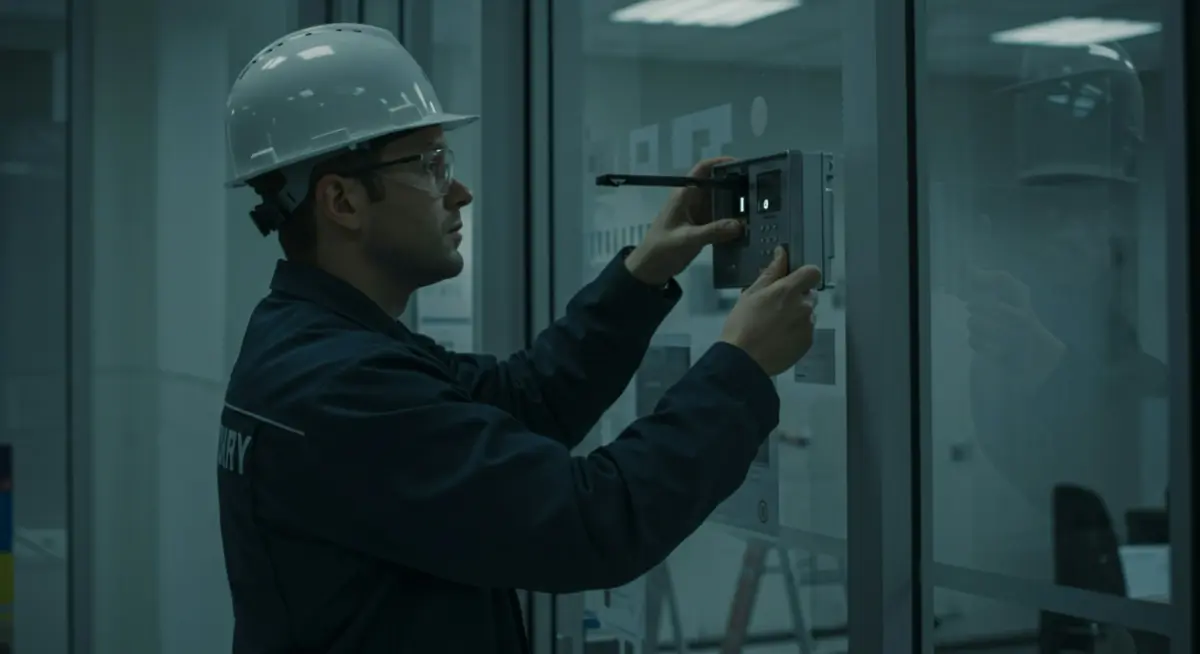
Integrating AI into the Construction Workflow

As global urbanization intensifies at an unprecedented rate, the convergence of cutting-edge green technology and innovative architectural design becomes increasingly vital and urgent. This in-depth analysis thoroughly examines how a wide array of innovative materials and carefully considered passive design principles are transforming our urban skylines and shaping them towards a sustainable, carbon-neutral future that benefits all inhabitants.

Redefining Vertical Living

The traditional skyscraper has long been a symbol of corporate dominance and density, often at the expense of environmental harmony. However, 2024 marks a pivotal shift. Architects are no longer just designing tall buildings; they are designing vertical ecosystems. From that filter pollutants to integrated wind turbines harvesting high-altitude currents,the next generation of towers will be net producers of energy rather than mere consumers.

One of the key innovations driving this change is the adoption of mass timber construction. Cross-laminated timber (CLT) offers a strength-to-weight ratio comparable to concrete but with a significantly lower carbon footprint.

"Sustainable architecture isn't just about using recycled materials; it's about designing buildings that breathe, adapt, and give back to their environment."

Smart Materials and Energy Efficiency

Beyond structure, the skin of our buildings is becoming smarter. Photovoltaic glass is finally reaching efficiency levels that make it viable for widespread commercial use. Imagine an entire office block where every window generates electricity. Coupled with AI-driven HVAC systems that learn occupant patterns, we are looking at a reduction in energy consumption by up to 40% in new builds.

Self-healing concrete: Using bacteria to repair cracks autonomously, extending building lifespan.

Kinetic facades: Building skins that move with the sun to optimize shading and natural light.

Greywater recycling: Standardized on-site water treatment systems for non-potable use.

As we move forward, the challenge will not be technological but regulatory. Updating building codes to accommodate these rapid advancements is crucial for widespread adoption.

Read more

Constructo Wins “Best Commercial Renovation” Award

As urbanization accelerates globally, the intersection of green technology and architectural design becomes paramount. We explore how new materials and passive design principles are reshaping our city skylines for a carbon-neutral future.

Redefining Vertical Living

The traditional skyscraper has long been a symbol of corporate dominance and density, often at the expense of environmental harmony. However, 2024 marks a pivotal shift. Architects are no longer just designing tall buildings; they are designing vertical ecosystems. From that filter pollutants to integrated wind turbines harvesting high-altitude currents,the next generation of towers will be net producers of energy rather than mere consumers.

One of the key innovations driving this change is the adoption of mass timber construction. Cross-laminated timber (CLT) offers a strength-to-weight ratio comparable to concrete but with a significantly lower carbon footprint.

"Sustainable architecture isn't just about using recycled materials; it's about designing buildings that breathe, adapt, and give back to their environment."

Smart Materials and Energy Efficiency

Beyond structure, the skin of our buildings is becoming smarter. Photovoltaic glass is finally reaching efficiency levels that make it viable for widespread commercial use. Imagine an entire office block where every window generates electricity. Coupled with AI-driven HVAC systems that learn occupant patterns, we are looking at a reduction in energy consumption by up to 40% in new builds.

Self-healing concrete: Using bacteria to repair cracks autonomously, extending building lifespan.

Kinetic facades: Building skins that move with the sun to optimize shading and natural light.

Greywater recycling: Standardized on-site water treatment systems for non-potable use.

As we move forward, the challenge will not be technological but regulatory. Updating building codes to accommodate these rapid advancements is crucial for widespread adoption.

Read more

The Future of Sustainable Urban Development in 2024

As urbanization accelerates globally, the intersection of green technology and architectural design becomes paramount. We explore how new materials and passive design principles are reshaping our city skylines for a carbon-neutral future.

Redefining Vertical Living

The traditional skyscraper has long been a symbol of corporate dominance and density, often at the expense of environmental harmony. However, 2024 marks a pivotal shift. Architects are no longer just designing tall buildings; they are designing vertical ecosystems. From that filter pollutants to integrated wind turbines harvesting high-altitude currents,the next generation of towers will be net producers of energy rather than mere consumers.

One of the key innovations driving this change is the adoption of mass timber construction. Cross-laminated timber (CLT) offers a strength-to-weight ratio comparable to concrete but with a significantly lower carbon footprint.

"Sustainable architecture isn't just about using recycled materials; it's about designing buildings that breathe, adapt, and give back to their environment."

Smart Materials and Energy Efficiency

Beyond structure, the skin of our buildings is becoming smarter. Photovoltaic glass is finally reaching efficiency levels that make it viable for widespread commercial use. Imagine an entire office block where every window generates electricity. Coupled with AI-driven HVAC systems that learn occupant patterns, we are looking at a reduction in energy consumption by up to 40% in new builds.

Self-healing concrete: Using bacteria to repair cracks autonomously, extending building lifespan.

Kinetic facades: Building skins that move with the sun to optimize shading and natural light.

Greywater recycling: Standardized on-site water treatment systems for non-potable use.

As we move forward, the challenge will not be technological but regulatory. Updating building codes to accommodate these rapid advancements is crucial for widespread adoption.

Read more